 Listicle
Durable Cabinet Paint Finishes for Kitchens That Last
Last Updated: October 30, 2026
Quick Summary
Durable cabinet paint finishes for kitchens are waterborne alkyd or urethane enamels applied over a bonding primer, which cure into a hard shell that resists chipping and cleaning. Satin is the better all-around sheen for most kitchens, while semi-gloss wins where grease and scrubbing are constant.
- Preparation, not the paint brand, is usually the reason a cabinet finish fails.
- Waterborne alkyd stays soft for days and reaches full hardness over a couple of weeks.
- Chalk paint needs a protective topcoat to survive daily wiping on kitchen cabinets.
- Semi-gloss highlights every flaw in the surface beneath it, so prep must be careful.
- Keep cabinet doors open during curing so soft paint does not stick and tear.
Table of Contents
- What Makes Cabinet Paint Finishes Durable
- The Best Paint for Kitchen Cabinets
- Satin vs. Semi-Gloss Kitchen Cabinets
- How to Make Painted Cabinets Durable
- Kitchen Cabinet Paint Curing Time and Humidity
- Durable Cabinet Paint Finishes for Kitchens: Pros and Cons
- Scheduling a Cabinet Painting Bid in Jupiter
- Frequently Asked Questions
What Makes Cabinet Paint Finishes Durable
Durable cabinet paint finishes for kitchens are coatings that resist chipping, peeling, and repeated cleaning once fully cured. Three factors decide the outcome: the paint's chemistry, the sheen you choose, and how carefully the surface was prepared before the first coat went on. Preparation is often the factor that matters most.
Here is the uncomfortable truth most guides skip: the paint brand on the can is rarely the reason a finish fails. Prep is. Even a premium urethane enamel will peel off a greasy cabinet door if the surface was not cleaned first.
Below, we break down which paint types hold up, how sheen affects durability, and the steps that separate a finish lasting a decade from one that chips within a year.
Cabinet paint finish durability is a system, not a product. Paint type, sheen, primer, and cure conditions all pull on each other.
The Best Paint for Kitchen Cabinets
The best paint for kitchen cabinets is a waterborne alkyd or urethane enamel, applied over a bonding primer. These coatings cure into a hard shell rather than a soft film, which is exactly what high-traffic cabinet doors need.
Chalk paint gets recommended constantly online, and it has real uses. Just understand what you are buying before you commit a weekend to it.
Waterborne Alkyd and Urethane Enamel
Waterborne alkyd combines the hardness of an oil-based coating with the easier cleanup of a water-based one.
The trade-off is cure time. These coatings stay soft for days and reach full hardness over a couple of weeks, so treat the doors gently at first.
Where Chalk Paint Fits
Chalk paint offers a matte, furniture-style look. That low-prep appeal is real, and for a decorative piece it works well.
For kitchen cabinets, though, chalk paint needs a protective topcoat to survive daily wiping. Without one, it scuffs and stains. With one, you are back to a multi-step system, so weigh whether the matte look is worth the extra coats.
Satin vs. Semi-Gloss Kitchen Cabinets
Satin is the better all-around choice for most kitchens, while semi-gloss wins where grease and scrubbing are constant. Satin hides brush marks and roller texture, and it softens small imperfections in older doors. Semi-gloss reflects more light and wipes clean more easily, but it also highlights every flaw in the surface beneath it.
A quick way to decide:
- Satin: best for older cabinets, visible wood grain, and softer traditional looks
- Semi-gloss: best for high-use kitchens, flat slab doors, and households that clean cabinets weekly
- Gloss: bold and contemporary, but unforgiving of imperfect prep
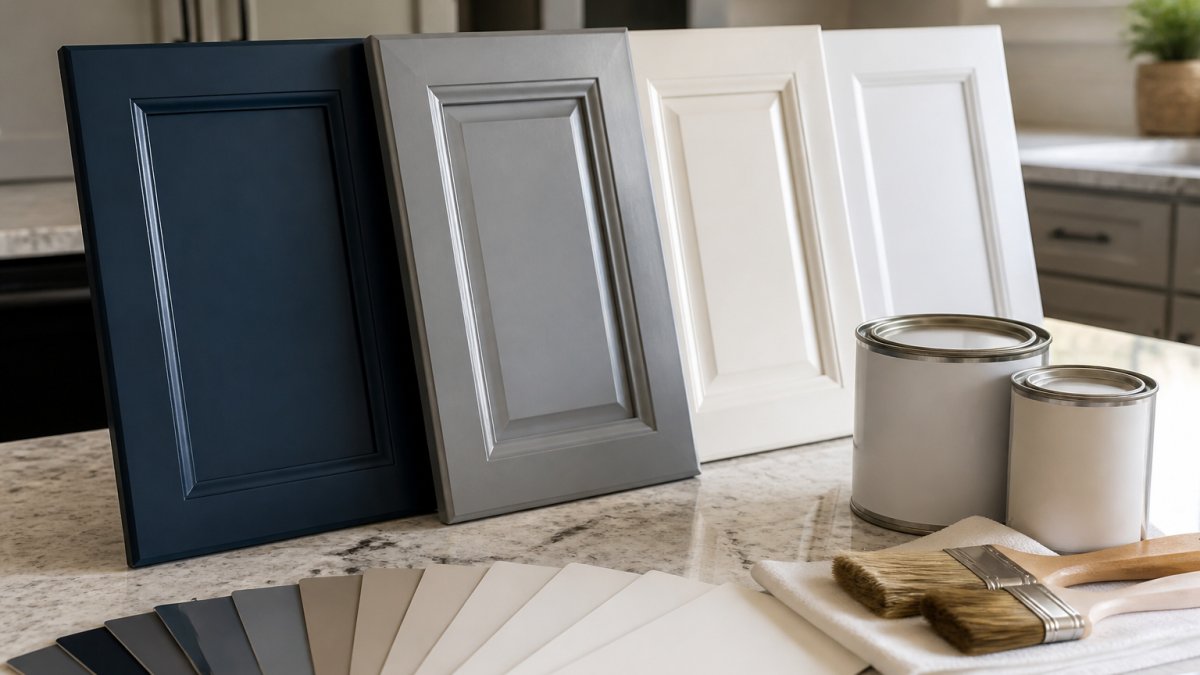
If you are still weighing color alongside sheen, our guide to the 5 best cabinet paint colors for kitchens pairs well with this decision.
How to Make Painted Cabinets Durable
Durability comes down to five steps, and skipping any one of them shortens the finish's life. A common mistake is painting over grease. Kitchen cabinets carry a thin film of cooking oil that no paint will bond to, and it fails within months.
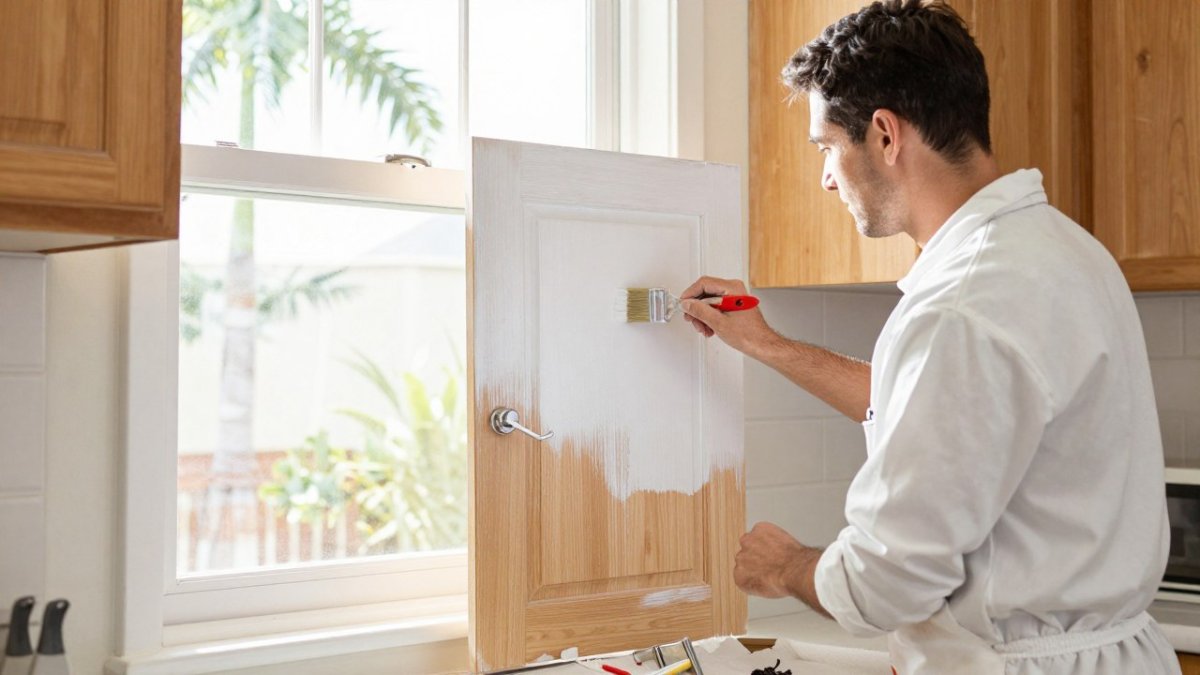
- Degrease thoroughly. Wash every surface with a degreaser, then scuff-sand and wipe again.
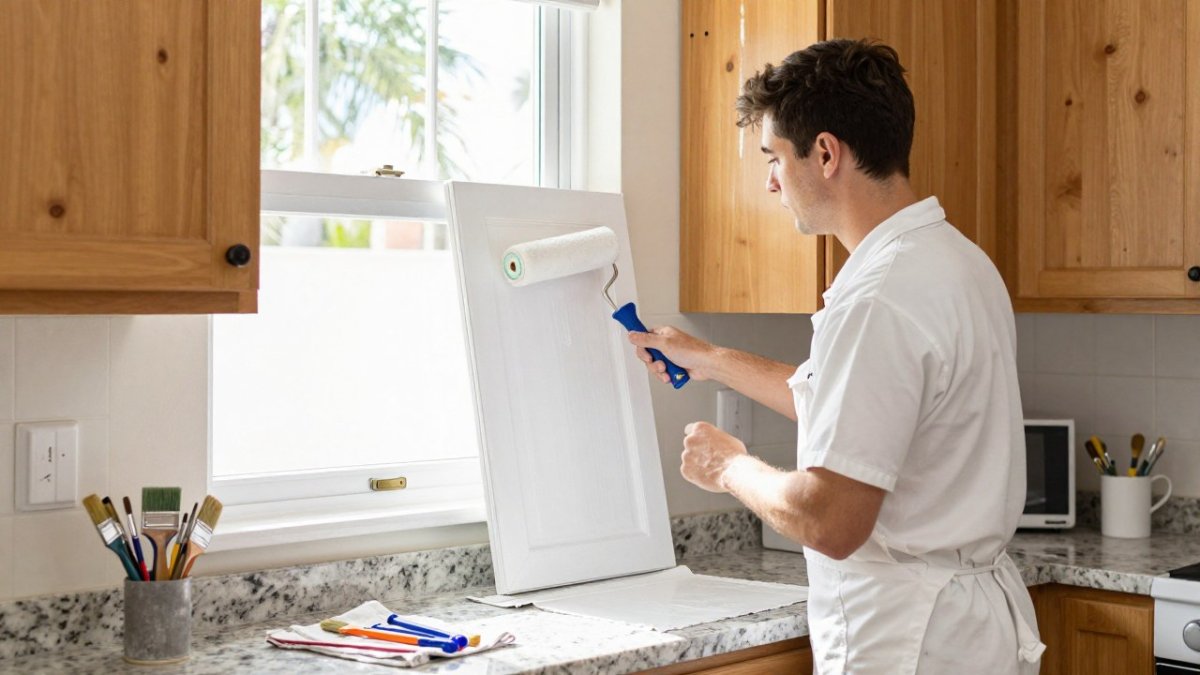
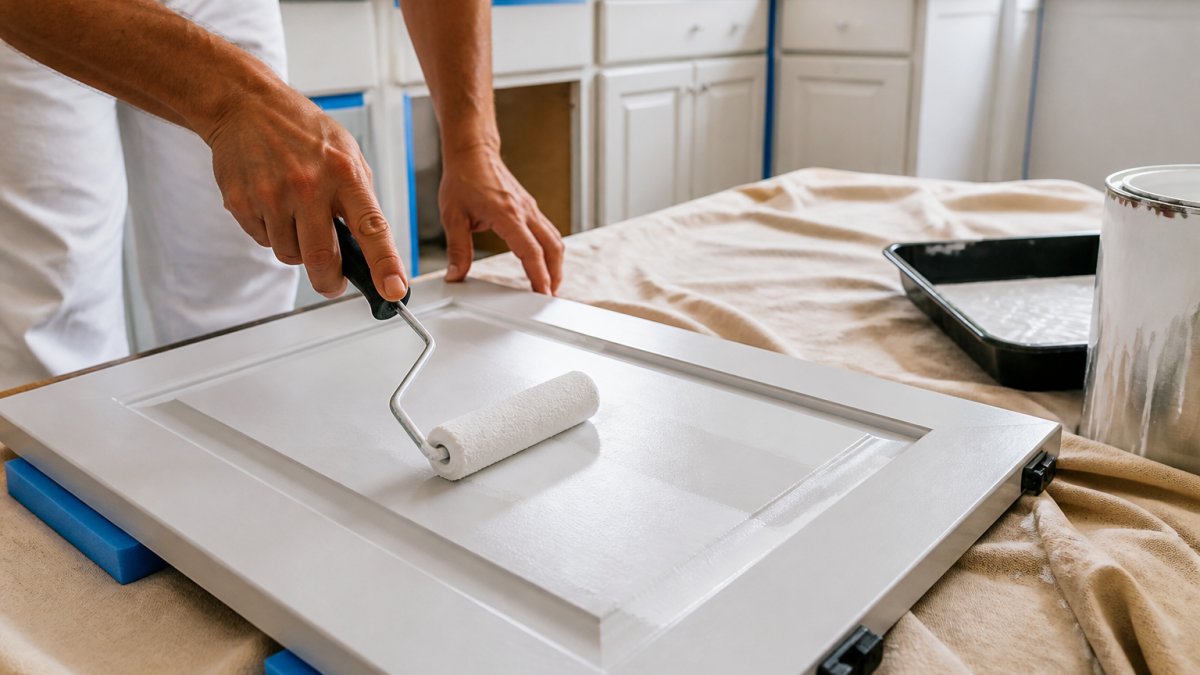
- Remove doors and hardware. Painting doors flat prevents drips and lap marks.
- Prime with a bonding primer. This is the step that locks the topcoat to the substrate.
- Apply thin coats. Two or three thin coats beat one thick coat every time.
- Let it cure fully. No heavy use until the coating has hardened.
If you would rather hand the job to one crew than coordinate several trades, our guide to hiring one contractor for interior renovations covers how to vet and compare bids.
Kitchen Cabinet Paint Curing Time and Humidity
Kitchen cabinet paint curing time varies by product, and the surface can feel dry within hours while the film is still curing. Check the manufacturer's label for the full cure window. Humidity stretches that window. Coastal Florida air holds moisture, and paint cures by releasing water and solvent, so a muggy week slows the process.
What to expect in practice:
- Touch-dry: a few hours
- Recoat window: per the label, often several hours
- Light use: after a few days
- Full hardness: one to two weeks
Watch out: closing cabinet doors too soon traps soft paint against the frame, and the doors will stick and tear. Keep the kitchen ventilated, run the AC to manage humidity, and wait the full cure before loading shelves.
Durable Cabinet Paint Finishes for Kitchens: Pros and Cons
Each finish type trades something for its durability. Here is how they compare.
| Finish Type | Durability | Best For | Main Drawback |
|---|---|---|---|
| Waterborne alkyd | High | Most kitchens | Long cure time |
| Urethane enamel | High | High-traffic kitchens | Higher material cost |
| Chalk paint + topcoat | Moderate | Matte, vintage looks | Extra topcoat step |
| Satin sheen | Good | Older, imperfect cabinets | Slightly less scrub-resistant |
| Semi-gloss sheen | High | Busy kitchens, flat doors | Shows surface flaws |
Waterborne alkyd and urethane enamel earn their reputation. Chalk paint is the honest wildcard: beautiful, but not the low-maintenance shortcut the internet promises.
Want to see how these finishes look once cured? Browse our completed painting projects to judge the results for yourself.
Scheduling a Cabinet Painting Bid in Jupiter
A cabinet painting bid should include surface prep, primer, the specific paint product, the sheen, and a timeline. Ask for each item in writing. A written scope helps you understand what is included before work begins.
We serve homeowners in Jupiter, FL and the surrounding area. Our process includes a transparent path from consultation to delivery, and we will fix it if you are not completely satisfied.
You can review our painting services in Jupiter, FL or get a free estimate to start the conversation.
Frequently Asked Questions
What is the most durable finish for painted kitchen cabinets?
Semi-gloss is the sheen most often named as the most durable cabinet finish, because its tighter surface resists scrubbing and wipes clean easily. The sheen only handles part of the job, though. Durability also depends on the paint type, with waterborne alkyd and urethane enamel described as drying to a tough, durable shell, and on a bonding primer underneath. A semi-gloss enamel over a proper primer holds up far better than a semi-gloss wall paint.
Is satin or semi-gloss better for kitchen cabinets?
It depends on how much shine you want and how hard the cabinets get used. Semi-gloss is cited as the most durable sheen and balances durability with cleaning ease, which suits high-traffic kitchens and families. Satin gives a softer, warmer look than semi-gloss or gloss and is still listed among recommended cabinet finishes. If you want the toughest cleanable surface, choose semi-gloss. If you want a calmer appearance and can accept slightly less scrubbing resistance, satin works well.
How long does kitchen cabinet paint curing time take before regular use?
Most cabinet paints feel dry to the touch within hours, but curing is a slower process where the film hardens fully. The supplied research does not give a specific cure window, so treat any timeline as product-specific and check the manufacturer's label. As a practical rule, keep doors and drawers open gently, avoid wiping the surface, and hold off on heavy use until the coating has had time to harden. Humidity slows curing, which matters in a coastal Florida kitchen.
How do you make painted kitchen cabinets more durable?
Start with a bonding primer, which the cited guide recommends pairing with cabinet paint. Choose a durable paint type such as waterborne alkyd or urethane enamel, then pick a semi-gloss or satin sheen rather than a flat one. Preparation matters as much as the product: sanding, degreasing, and letting each coat cure before the next. Rushing the cure or skipping primer are the two most common reasons a fresh cabinet paint job chips early.
What cabinet paint finish works best in a humid Florida kitchen?
Humidity slows curing and can leave a soft film if coats are rushed, so the finish choice should favor a harder, cleanable sheen. Semi-gloss is the safer pick for a humid kitchen because it resists moisture and wipes down easily. Pair it with a waterborne alkyd or urethane enamel and a bonding primer, and allow extra cure time before reinstalling doors. A professional painter can judge dry times on site rather than following a generic schedule.
Cabinet painting fails for one reason far more often than any other: rushed prep. If you want a finish that survives daily life in a Florida kitchen, get the prep and the cure right, or hire a crew that will. Florence Painting Aloha offers thorough surface preparation, a transparent process from consultation to delivery, and a satisfaction guarantee on every job. Get started with Florence Painting Aloha and schedule a bid for cabinets that look right and hold up.