 Comparison
Jupiter Painting Services: A 2026 Review
Table of Contents
- What to Expect From Jupiter Painting Services
- Getting Accurate Painting Estimates
- How to Choose a Painting Contractor That Delivers
- Exterior Painting Services in Florida's Climate
- How Long Does Exterior House Painting Take
- Interior Painting and Specialized Work
- Why Quality Workmanship Costs More
- Frequently Asked Questions
Last Updated: October 11, 2026
What to Expect From Jupiter Painting Services
Understanding what professional painting services deliver makes the difference between a quick refresh and a lasting transformation. Jupiter painting services range from basic interior touch-ups to comprehensive exterior renovations. The best contractors combine thorough preparation with quality materials and meticulous application.
Quality jupiter painting depends on three factors: surface preparation, material selection, and craftsmanship standards. A contractor who skips surface prep will deliver results that chip or fade within months. One who invests in proper cleaning, patching, and priming builds finishes that last years.
Jupiter painting projects span residential interiors (cabinet painting, popcorn ceiling removal, trim work) and exteriors (stucco repair, power washing, full house repainting). Interior work demands precision with clean lines and flawless finishes. Exterior work in Florida's coastal climate demands paints that resist salt air, humidity, and intense sun.
Getting Accurate Painting Estimates
A transparent estimate breaks down labor, materials, timeline, and scope clearly, protecting you from mid-project cost surprises.
Provide detailed information: square footage, existing paint condition, color preferences, and any repairs needed. Photos help contractors assess surface condition accurately.
What Drives Painting Costs
Labor typically represents 60-75% of a residential painting project's total cost. Material quality, surface condition, and project complexity drive the remainder.
Surface condition is the biggest variable. A well-maintained exterior needing only cleaning and two coats costs significantly less than one requiring scraping, patching, caulking, and primer. Ask contractors to itemize prep separately so you can see their condition assessment.
Paint quality affects both cost and longevity. Budget paints ($15-25 per gallon) require extra coats and fade faster. Mid-range paints ($30-50 per gallon) offer better coverage and durability. Premium paints ($50-80+ per gallon) provide superior adhesion, mildew resistance, and UV protection, critical for Florida exteriors.
Project size and complexity scale costs predictably. Crew size affects labor cost and timeline.
Stucco repair adds significant cost because it requires specialized skill. Patching, texture matching, and sealing typically run $50-150 per linear foot, and must cure before painting.
How to Compare Quotes Side-by-Side
Professional estimates should include:
- Square footage or linear footage being painted
- Number of coats required (typically two for quality coverage)
- Primer and paint brands, types, and finish (matte, satin, semi-gloss)
- Labor hours and crew size
- Timeline from start to finish, including weather buffer days
- Detailed prep work (power washing, scraping, patching, caulking, sanding, priming)
- Cleanup and protection of surrounding areas
- Any exclusions (furniture moving, landscaping protection, trim work)
- Warranty or satisfaction guarantee terms
When comparing estimates, look for consistency in scope. If one is 30% lower, ask what they're doing differently. Common cost-cutting tactics include: one coat instead of two, budget paint instead of mid-range, reduced primer, shortened prep time, smaller crew, or no warranty.
Avoid estimates that lump everything into a single line item. Detailed breakdowns let you understand what drives the cost and identify where corners might be cut. A contractor who resists itemizing their estimate or becomes defensive about prep work is a warning sign.
How to Choose a Painting Contractor That Delivers
Licensing, Insurance, and Warranties
Before hiring any contractor for jupiter painting work, verify licensing and insurance. Request proof of both. A contractor who hesitates is a red flag.
A quality contractor stands behind their work with a written satisfaction guarantee. This commitment reflects confidence in workmanship. Contractors offering no warranty are betting you won't notice problems later.
Surface Preparation and Workmanship Standards
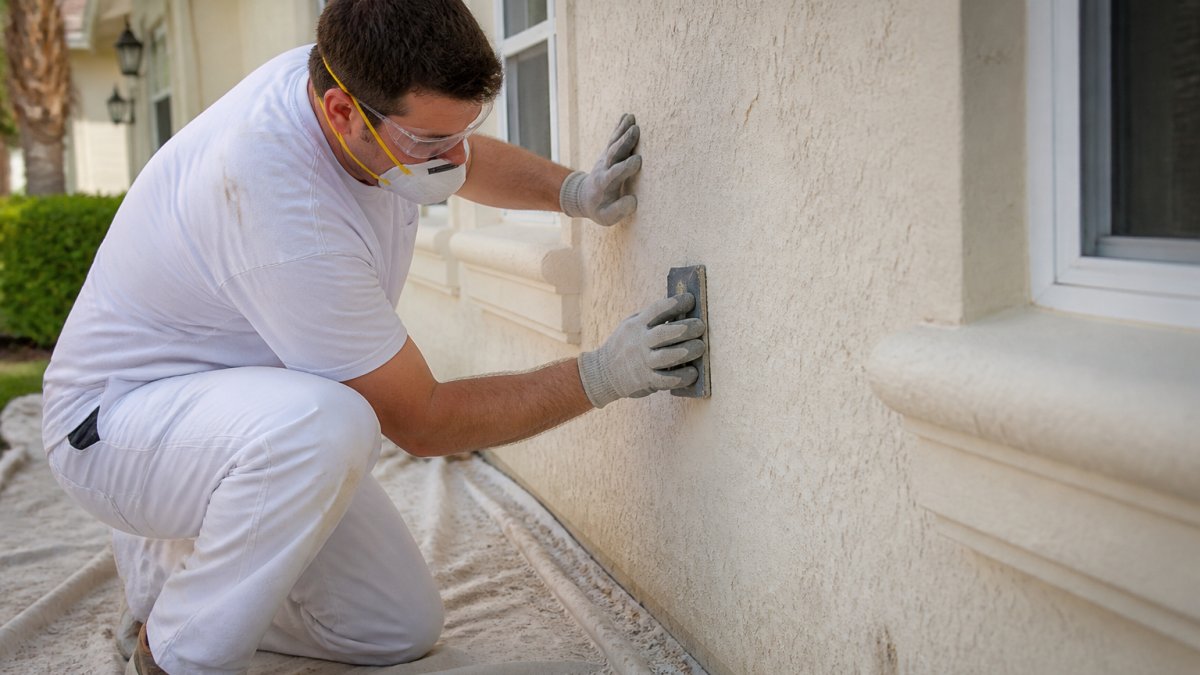
The difference between a paint job that lasts one year and one that lasts five years comes down to preparation. Proper surface prep includes power washing, scraping loose paint, filling cracks and gaps, sanding rough areas, and priming. Many contractors rush or skip this phase.
Quality workmanship means clean lines, even coverage, proper technique, and attention to detail. When evaluating contractors, ask to see photos of completed projects. Look for consistency, clean edges, and intentional finishes.
Exterior Painting Services in Florida's Climate
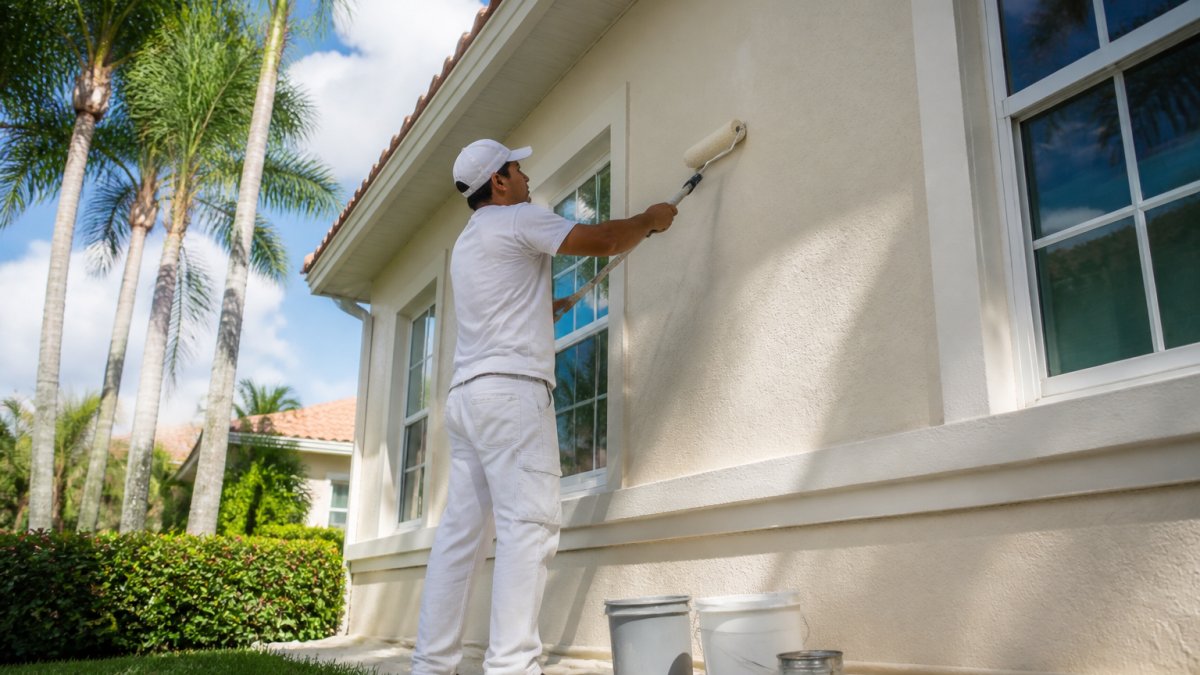
Florida's climate presents unique challenges for exterior coatings. Salt air corrodes metals and degrades paint faster. High humidity promotes mildew growth. Intense UV radiation fades colors and breaks down paint binders. Quality exterior paint jobs account for these conditions.
The right exterior paint resists mildew, offers UV protection, and adheres well in humid conditions. Experienced contractors know which products perform in Florida and understand that proper surface preparation is essential before new coatings go on.
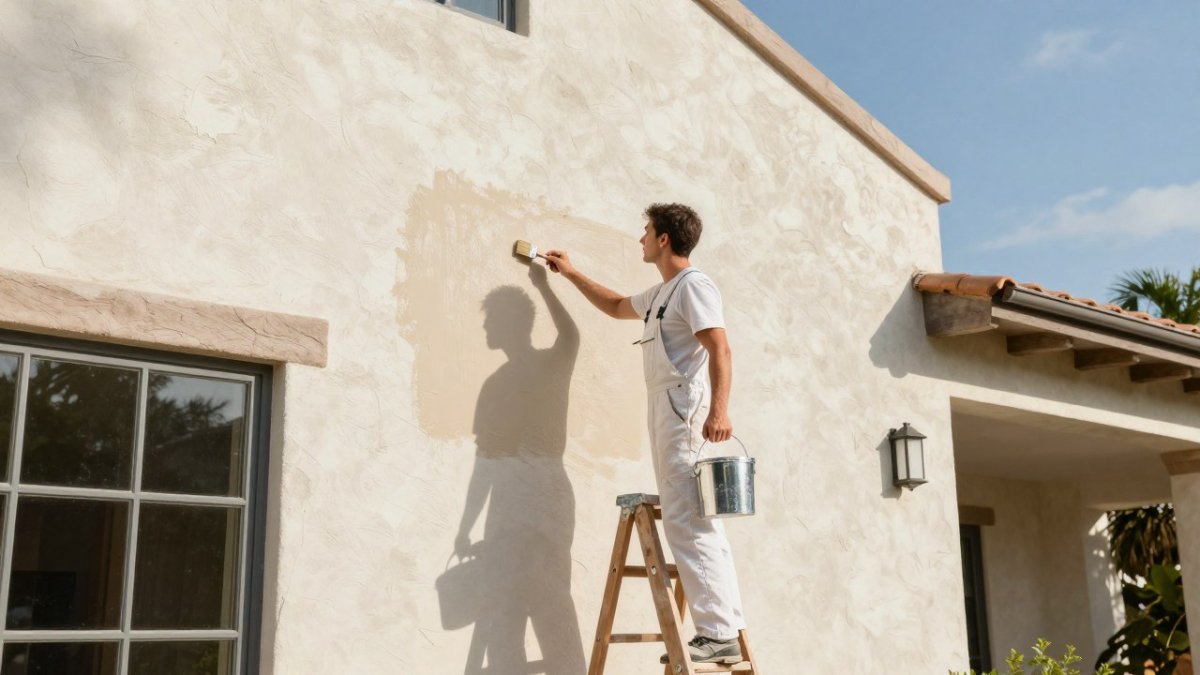
Stucco repair requires skill. Cracks that aren't properly sealed will return within months. Quality stucco work involves patching with compatible materials, matching texture and color, and sealing to prevent water intrusion.
How Long Does Exterior House Painting Take
Timeline depends on project scope, weather, crew size, and surface condition.
Typical Project Duration
Larger homes, extensive repairs, or complex details extend the timeline.
Crew size significantly affects speed. A two-person crew takes longer than a four-person crew.
What Happens Each Day
Days 1-2: Preparation. The crew power washes the entire exterior, scrapes loose paint, fills cracks and gaps, sands rough areas, and primes bare wood or repairs. Preparation typically takes 30-50% of the total project time. Rushing this phase is the most common shortcut that leads to premature failure.
Days 2-4: First coat. Once prep is complete and primer is dry, the crew applies the first coat of finish paint. In Florida's humid climate, drying between coats often takes 24 hours or longer.
Days 4-6: Second coat and detail work. The second coat is applied once the first is fully dry. Detail work, touch-ups, and trim finishing happen during this phase. Quality contractors inspect for missed spots, uneven coverage, or drips and address them before the homeowner inspects.
Days 6-7: Cleanup and final inspection. The crew removes protection, cleans up debris, and performs a final walkthrough with the homeowner. This phase is quick if the job went smoothly but may extend if touch-ups are needed.
Weather and Timeline Extensions
Florida's climate creates predictable but unpredictable delays. Rain stops work immediately because wet surfaces won't accept paint. High humidity (above 85%) slows drying significantly. Temperatures below 50°F or above 85°F can affect paint adhesion and drying. Afternoon thunderstorms are common May through September, so contractors build 2-4 buffer days into summer schedules.
A realistic timeline for exterior work should include weather contingency. If a contractor quotes 5 days for a project that typically takes 7-10 days, they're either planning to work in ideal conditions (unlikely in Florida) or cutting corners on prep or application.
Stucco Repair and Extended Timelines
Stucco repair adds significant time because repairs must cure before painting. Patching material typically requires 24-48 hours to cure, depending on humidity and temperature. Texture matching adds another 1-2 days. A realistic timeline for exterior work that includes stucco repair typically runs longer, depending on damage extent.
If a contractor discovers hidden damage during prep (wood rot behind stucco, structural cracks, water damage), the timeline extends further. Quality contractors communicate these discoveries immediately and provide revised timelines and cost estimates.
Planning Around the Project
Homeowners should expect:
- Limited access to exterior areas during the project. Patios, decks, and landscaping may be off-limits while protection is in place.
- Noise and activity during work hours, typically 7 a.m. to 4 p.m. weekdays.
- Vehicles and equipment parked on the property or street.
- Dust and debris despite careful protection; some settling is normal.
- Strong paint odor for 24-48 hours after application, especially on hot days.
If you have pets or young children, discuss logistics with the contractor beforehand. Some crews can work around schedules; others need consistent access. Clarifying expectations upfront prevents frustration.
Interior Painting and Specialized Work
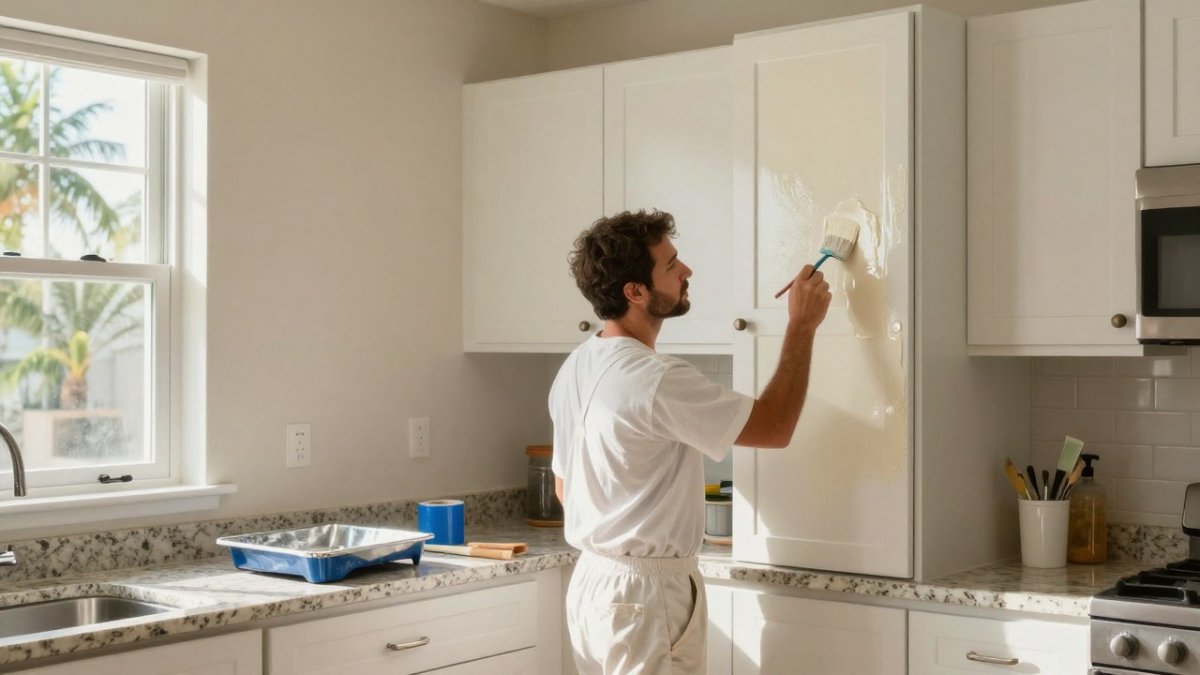
Interior painting offers flexibility that exterior work doesn't. You can work around the project, painting one room at a time. Cabinet painting requires different technique than wall painting, it demands surface preparation (cleaning, sanding, priming), careful application to avoid brush marks, and proper drying time between coats.
Popcorn ceiling removal is increasingly popular as homeowners modernize interiors. This work is labor-intensive but transforms spaces. After removal, ceilings typically need texture matching or drywall repair, then priming and painting. Trim painting demands precision and steady hands to keep edges clean without tape lines.
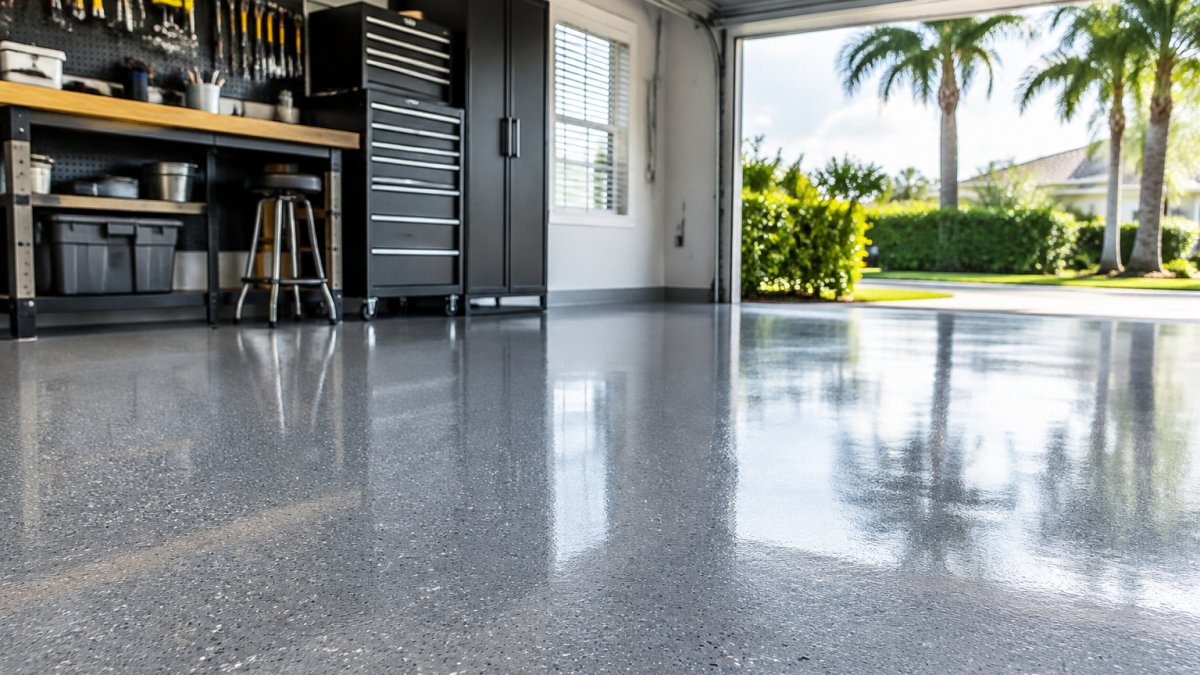
Specialized interior work, epoxy garage floors, faux finishes, accent walls, requires expertise beyond standard painting. Not all contractors offer these services. When they do, ask for examples and understand the timeline. Quality specialized work takes longer than standard painting but delivers distinctive results.
Why Quality Workmanship Costs More
This is where many homeowners struggle: understanding why quality jupiter painting costs more than budget alternatives. The answer lies in what goes into professional work.
Quality contractors invest in better materials. Premium paints offer superior coverage, durability, and finish quality. They cost more per gallon but deliver better results and last longer. Budget paint requires extra coats, fades faster, and often fails within 2-3 years.
Labor costs reflect experience and skill. A skilled painter works efficiently without sacrificing quality. They understand surface conditions, know which techniques work best, and deliver consistent results. Training, licensing, insurance, and equipment all factor into pricing. A contractor charging bottom-dollar pricing is either cutting corners on materials, rushing through preparation, or both.
Time investment matters too. Proper surface prep takes hours. Multiple coats require drying time. Detailed work demands patience. Contractors who prioritize speed over quality deliver faster but not better.
Choosing the right jupiter painting contractor comes down to understanding what quality actually requires: proper surface preparation, appropriate materials for Florida's climate, skilled application, and a commitment to lasting results. Florence Painting Aloha delivers all of these, with thorough power washing and surface preparation included, stucco patch-and-match services, and a satisfaction guarantee backing every project. provides contractor licensing verification if you want to confirm credentials. Get started with Florence Painting Aloha and transform your property with workmanship that lasts.
| Service Type | Timeline | Best For |
|---|---|---|
| Interior wall painting | 2-5 days | Quick room refreshes |
| Cabinet painting | 5-10 days | Kitchen and bathroom updates |
| Exterior full repaint | 7-14 days | Complete home transformation |
| Stucco repair and paint | 10-14 days | Damage restoration |
| Popcorn ceiling removal | 3-7 days | Modern interior updates |
Frequently Asked Questions
What should a painting estimate include?
A comprehensive painting estimate should detail labor costs, materials, surface preparation scope, timeline, warranty terms, and any site-specific work like stucco repair or power washing. The estimate should specify paint type and finish. Transparent contractors itemize costs so you understand exactly what you're paying for. Request estimates from multiple contractors to compare scope and pricing fairly.
How do I choose a reliable painting contractor in Jupiter?
Verify licensing and insurance, check references from recent projects, and review customer ratings. Ask about surface preparation methods, warranty coverage, and how they handle unexpected issues. Request a detailed written estimate and ask how they handle price adjustments if prep work reveals additional damage. A contractor willing to explain their process transparently is more likely to deliver quality results.
How long does exterior house painting typically take?
Most residential exterior painting projects vary in duration, depending on house size, current paint condition, weather, and prep work needed. Stucco repairs or power washing can add time. Contractors should provide a realistic timeline upfront. Florida's humidity and salt air may require longer drying times between coats. Always ask your contractor for a specific schedule before work begins.
Why does quality exterior painting cost more than budget options?
Quality painters invest in thorough surface preparation, premium paint products, and skilled application techniques that last longer. They include power washing, patching, and priming, steps budget contractors skip. Better workmanship means fewer callbacks and longer paint life in Florida's harsh coastal climate. You're paying for durability, not just coverage.