 Comparison
Why Professional Cabinet Painting Costs More
Table of Contents
- What Professional Cabinet Painting Costs Actually Cover
- The Prep Work You Never See on a Quote
- Cabinet Painting vs. DIY: Where the Cost Gap Comes From
- Cabinet Painting vs. Replacing: Which Makes Financial Sense
- How Long Painted Cabinets Last and Why It Matters for Value
- Quote Comparison Checklist: What to Ask Before You Sign
- Frequently Asked Questions
Last Updated: October 14, 2026
What Professional Cabinet Painting Costs Actually Cover
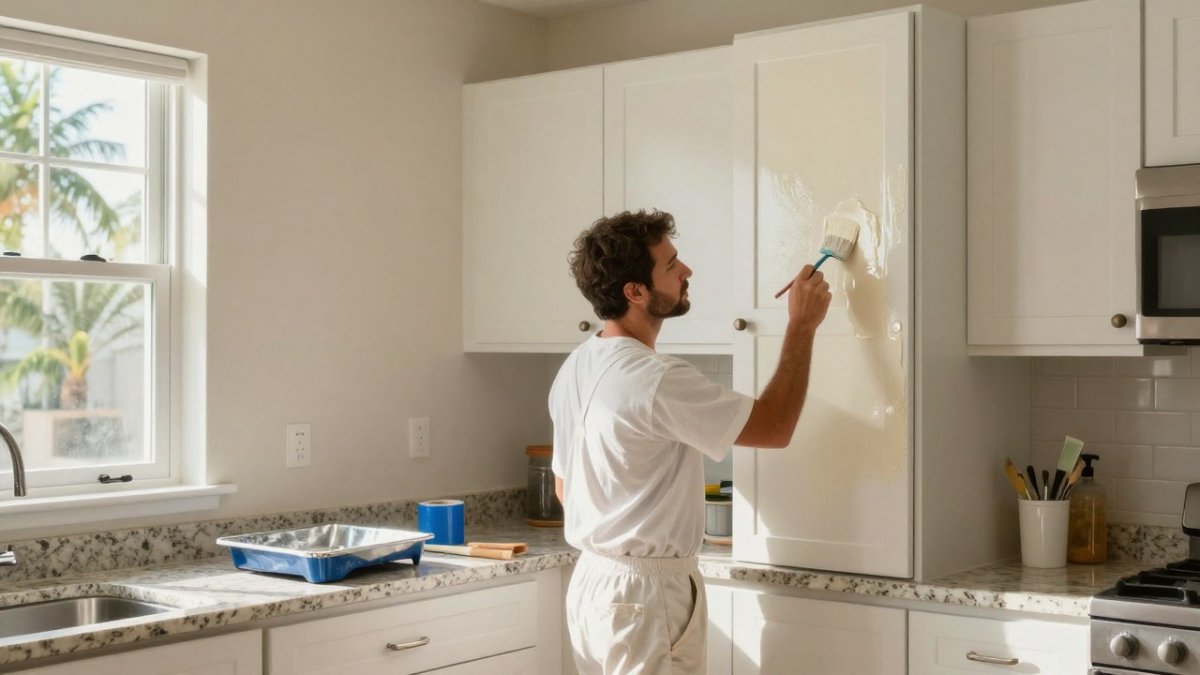
Professional cabinet painting costs more than DIY because you are paying for labor, preparation, and materials that a homeowner typically cannot replicate at the same level of quality.
Cabinet painting costs break down into three main buckets: labor, materials, and preparation. Labor is the biggest line item by far. A crew might spend 30 to 60 hours on a standard kitchen, and that time is what separates a finish that lasts from one that chips within a year.
Labor Is the Biggest Line Item
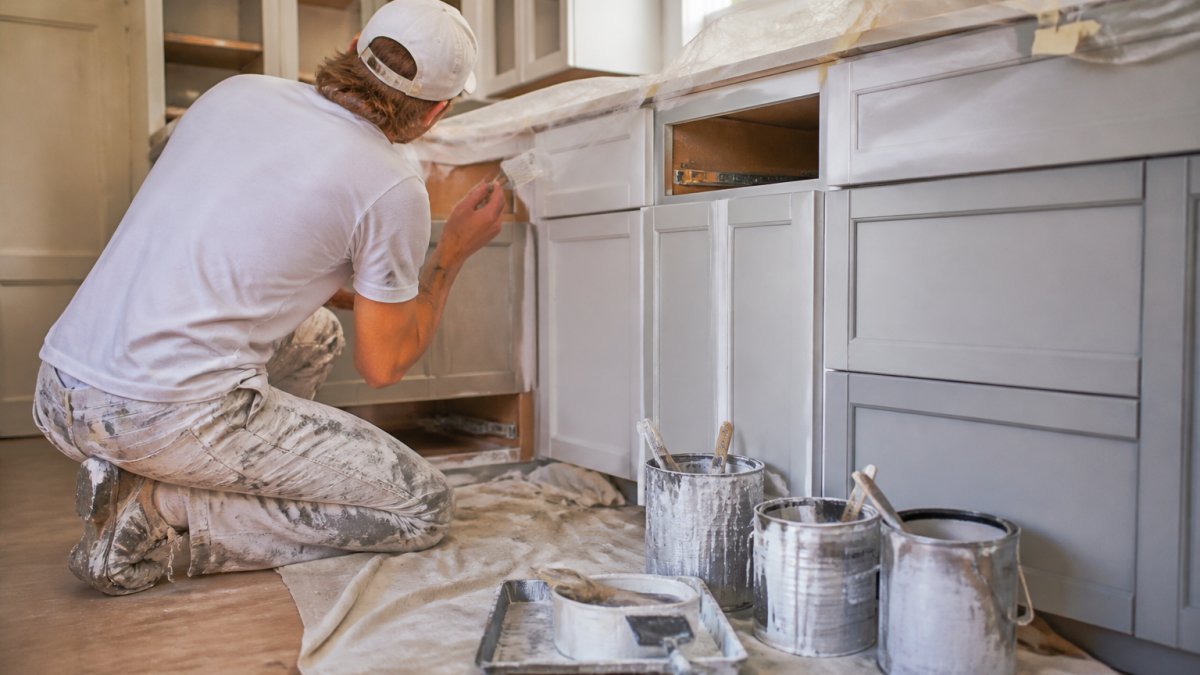
Labor typically accounts for the majority of any professional cabinet painting quote. This isn't padding. It reflects the reality that painting cabinets is slow, detailed work.
Consider what a professional painter does that a weekend DIYer often skips:
- Removes every door, drawer, and piece of hardware
- Labels each component so it goes back in the right spot
- Sets up a dedicated spray area
- Applies multiple thin coats with proper drying time between each
- Reassembles and adjusts hinges and slides
Each step takes time. A professional painter isn't just painting. They're managing a process.
Materials and Paint Quality
Materials matter more than most homeowners expect. Cabinet-grade paint is not the same as wall paint. It's formulated to cure harder, resist moisture, and stand up to frequent handling.
A professional quote includes:
- Cabinet-specific primer and topcoat
- Degreaser and cleaning supplies
- Sanding pads and abrasives
- Painter's tape and masking materials
- Spray equipment and tip replacements
Cheap paint saves money upfront and costs more later. Paint quality determines how the finish holds up to steam, grease, and daily use.
The Prep Work You Never See on a Quote
The preparation stage is where most of the hidden labor lives. It is also the stage that determines whether your paint job lasts five years or fails in twelve months.
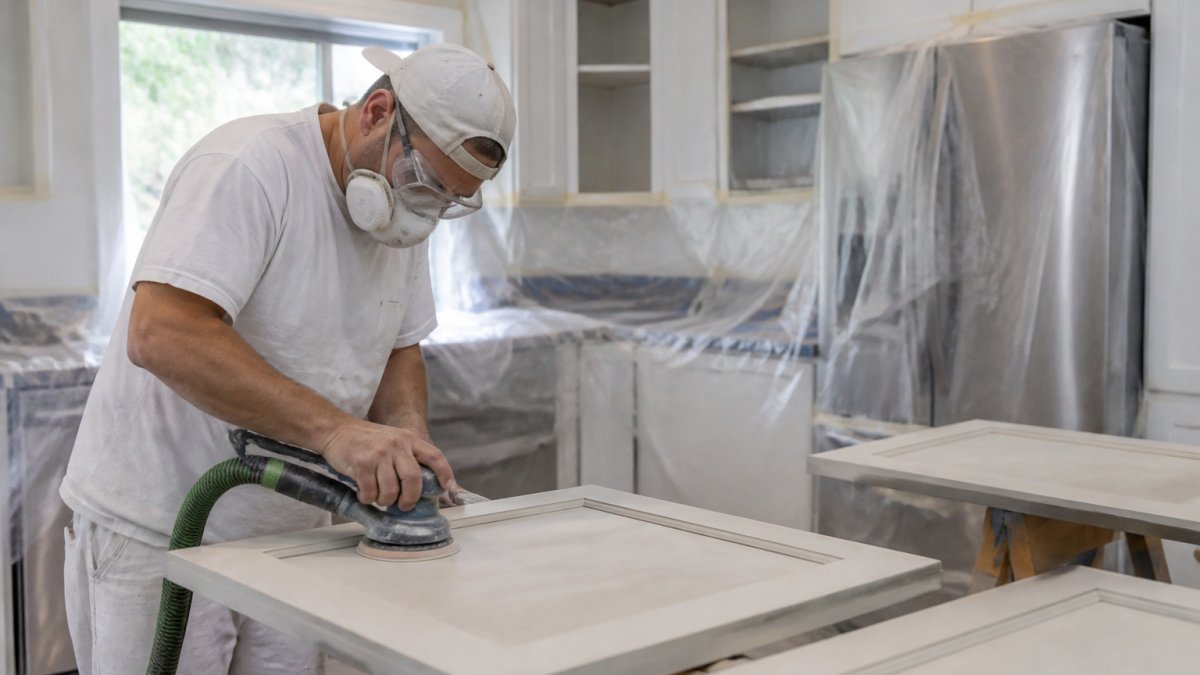
Here is what proper preparation actually involves, and roughly how long each step takes on a standard 20-door kitchen:
- Degreasing and cleaning. Every door, drawer front, frame, and box gets wiped with a degreaser to strip the thin film of cooking oil that accumulates near the range. This is a 2 to 4 hour job on its own, and it is the step most often skipped.
- Sanding. Scuff-sanding every surface to create a mechanical tooth for the primer. On a full kitchen this runs 6 to 10 hours, and it is done by hand in corners and profiles where a power sander cannot reach.
- Repairs. Filling dents, dings, cracks, and old hardware holes with a sandable filler, then re-sanding flush. Minor repairs add 2 to 4 hours; extensive repair work can double that.
- Masking and containment. Sealing off the kitchen with plastic sheeting, taping edges, and protecting countertops and appliances. Another 2 to 3 hours of setup that has to be repeated if the job is staged.
- Priming. A bonding primer is applied to give the topcoat something to grip. One to two hours of application plus dry time.
- Caulking. Sealing gaps and seams so the finished job looks seamless and moisture cannot get behind the paint.
Add those up and prep alone can account for 15 to 25 hours of a project. That is the labor a low bid quietly omits.
Sanding is the single most time-consuming prep step, and it is also the one most likely to be cut. Cleaning and degreasing are non-negotiable in a working kitchen.
There is also a sequencing logic to prep that a checklist does not capture. Degreasing has to happen before sanding, because sanding drives oil into the grain. Repairs have to happen before priming, because primer will not hide a dent. Priming has to happen before caulking in most cases, so the caulk bonds to a sealed surface. Get the order wrong and you redo work, which is another hidden cost in a cheap quote.
Cabinet Painting vs. DIY: Where the Cost Gap Comes From
Cabinet painting vs. DIY comes down to three things: time, tools, and finish quality. DIY saves money on labor, but it often costs more in the long run.
A realistic DIY comparison:
| Factor | DIY | Professional |
|---|---|---|
| Time investment | 40-80 hours | 3-6 days |
| Equipment cost | Sprayer, sanders, supplies | Included in quote |
| Finish durability | Varies widely | Consistent, cabinet-grade |
| Warranty | None | Workmanship guarantee |
| Disruption | Weeks of DIY evenings | Focused project window |
The cost savings of DIY are real, but so is the risk. A botched DIY job often means paying a professional to strip and redo the work, which costs more than hiring a pro from the start.
Cabinet Painting vs. Replacing: Which Makes Financial Sense
Cabinet painting vs. replacing is a question of upfront cost versus long-term value. Painting costs a fraction of replacement and delivers a dramatic visual change.
Replacement means new boxes, new doors, new hardware, and often new countertops to match. That's a full kitchen remodel. Painting keeps your existing cabinet boxes, which are usually structurally sound even when the finish looks dated.
When painting is the smarter financial move:
- Your cabinet boxes are solid and square
- You like your current layout
- You want a color or finish update, not a structural change
- You're preparing to sell and want maximum return
When replacement makes more sense:
- The boxes are warped, water-damaged, or poorly built
- You want a different layout or more storage
- You're doing a full remodel anyway
For most homeowners looking to refresh a kitchen without a full renovation, painting delivers the best return. Refacing sits in the middle: new doors and drawer fronts on existing boxes, which costs more than painting but less than full replacement.
How Long Painted Cabinets Last and Why It Matters for Value
How long painted cabinets last depends almost entirely on preparation and paint quality. A properly prepped and painted kitchen typically holds up for many years with normal use.
The variables that shorten or extend that lifespan:
- Coats of paint: two to three thin coats outperform one thick coat
- Finish quality: a sprayed finish is smoother and more durable than a brushed one
- Cabinet condition: repairs done before painting prevent future failures
- Hardware: soft-close hinges reduce wear on doors and frames
Durability matters for home value. Buyers notice peeling paint immediately. A clean, professional finish signals a well-maintained home, which supports your asking price when it's time to sell.
Quote Comparison Checklist: What to Ask Before You Sign
Comparing quotes is the best way to understand why professional cabinet painting costs more. Two quotes for the same kitchen can differ significantly, and the difference is almost always scope, not skill.
Start by asking every painter to itemize the quote by phase rather than giving a single lump sum. A quote that breaks out cleaning, sanding, repairs, masking, priming, topcoats, and reassembly lets you compare line by line.
Use this checklist when reviewing any quote:
- Does the quote include removal and reinstallation of all doors and drawers?
- Is degreasing and cleaning included?
- Is sanding included, and to what level (scuff, full, or strip)?
- Is a bonding primer specified, and is it a cabinet-grade product?
- How many coats of topcoat are included, and what product line?
- Is the finish sprayed, brushed, or rolled?
- Are repairs to dents, cracks, and old hardware holes included, or billed hourly?
- Is new hardware installation included or extra?
- Are cabinet interiors, shelves, and the insides of doors included or excluded?
- What is the project timeline, start to finish, and where will doors be sprayed?
- What does the warranty cover, and for how long?
- Are there any exclusions or potential change-order triggers?
A low quote usually means something has been left out. That "something" is often preparation, which is the most important part of the job.
Hidden Costs and Change Orders to Watch For
Even a detailed quote can grow once work begins. Ask each painter upfront how they handle the situations below, and get the answer in writing:
- Unusual cabinet materials. Painted-over laminate, thermofoil, or melamine may need a specialty bonding primer or may not be paintable at all. If the quote assumes standard wood, a material surprise can trigger a change order.
- Extensive repairs. Water damage, swollen particleboard, or stripped hinge screw holes are often discovered only after doors come off. Ask what the hourly rate is for repair work beyond the quoted scope.
- Color changes. A dramatic color change, especially light to dark or dark to light, can require an extra coat or a tinted primer, which adds material and labor.
- Hardware replacement. New hinges and slides may not match existing bore holes. Re-drilling and patching is extra work that a base quote may not cover.
- Additional prep. Heavy grease buildup, peeling previous paint, or a failed prior DIY job can add hours of stripping and sanding.
A painter who can explain how each of these is priced is a painter who has done the work before. A painter who waves off the questions is quoting a best case.
How to Compare Two Quotes Side by Side
Once you have itemized quotes, line them up against the same categories: preparation, materials, application method, number of coats, hardware handling, timeline, and warranty. If one quote is lower, find the line where it is lower. That is the work you are being asked to give up.
The real question is not which quote is cheapest. It is which quote includes the work required to make the finish hold up. Comparing on scope, not price, is how you answer that.
Frequently Asked Questions
How much should cabinet painting cost?
Cabinet painting costs depend on the number of doors and drawers, kitchen size, cabinet condition, and whether repairs are needed. Most quotes factor in labor, prep work, paint materials, and cleanup. Expect pricing to vary widely based on the scope of your project. The best way to get an accurate number is to request a detailed quote from a professional painter who will assess your specific cabinets in person.
Is professional cabinet painting worth it?
Professional cabinet painting is worth it when you want a durable finish that resists chipping and peeling. The prep work, proper priming, and quality paint a professional applies extend the life of your cabinets significantly compared to a quick DIY job. If your cabinets are structurally sound and you plan to stay in your home or sell within a few years, professional painting protects your investment and improves resale appeal.
Why does professional cabinet painting cost more than DIY?
Professional cabinet painting costs more because you pay for skilled labor, thorough preparation, and materials designed to last. A professional removes doors, labels hardware, cleans and sands every surface, applies primer and multiple finish coats, and reassembles everything. DIY saves on labor but often skips critical prep steps, leading to peeling, uneven coverage, and a shorter lifespan for the finish.
Is it cheaper to paint my kitchen cabinets or replace them?
Painting kitchen cabinets is almost always cheaper than replacing them when the existing boxes are structurally sound. Replacement involves new cabinet costs, demolition, installation, countertop adjustments, and possible plumbing or electrical work. Painting refreshes the look at a fraction of the upfront cost. If your cabinet layout works and the frames are solid, painting delivers better long-term value for most homeowners.