 Comparison
House Painter Florida: Reviews, Costs & How to Hire
Table of Contents
- What Florida Homeowners Should Expect From a House Painter
- House Painting Cost in Florida: What Drives the Number
- Painting Contractor Estimates: Reading the Line Items
- How to Hire a House Painter Without Getting Burned
- House Painting Preparation: The Step That Decides How Long It Lasts
- Provider Reviews: How Five Florida Painting Options Compare
- Which House Painter Florida Homeowners Should Call First
- Frequently Asked Questions
Last Updated: October 21, 2026

What Florida Homeowners Should Expect From a House Painter
Hiring a house painter in Florida means buying two things at once: a finish you can see and a surface that survives the climate you cannot.
Florida's climate is the reason preparation matters here more than in drier states. The U.S. Department of Energy guide to exterior painting notes that moisture and surface condition drive how long a coating lasts, not the brand on the can.
Interior and Exterior Work Under One Contract
One contract for interior and exterior work saves homeowners from coordinating two crews and two schedules. It also keeps prep, priming, and finish consistent across the whole property.
- Interior: walls, ceilings, trim, baseboards, kitchens, bathrooms, basements
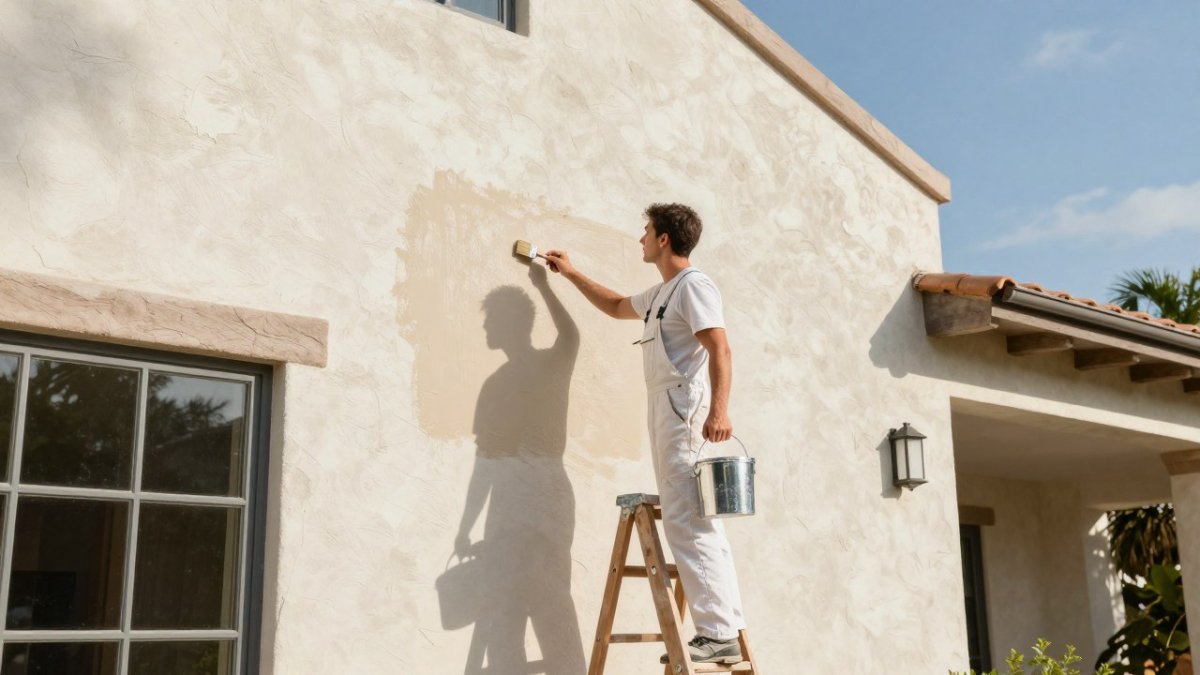
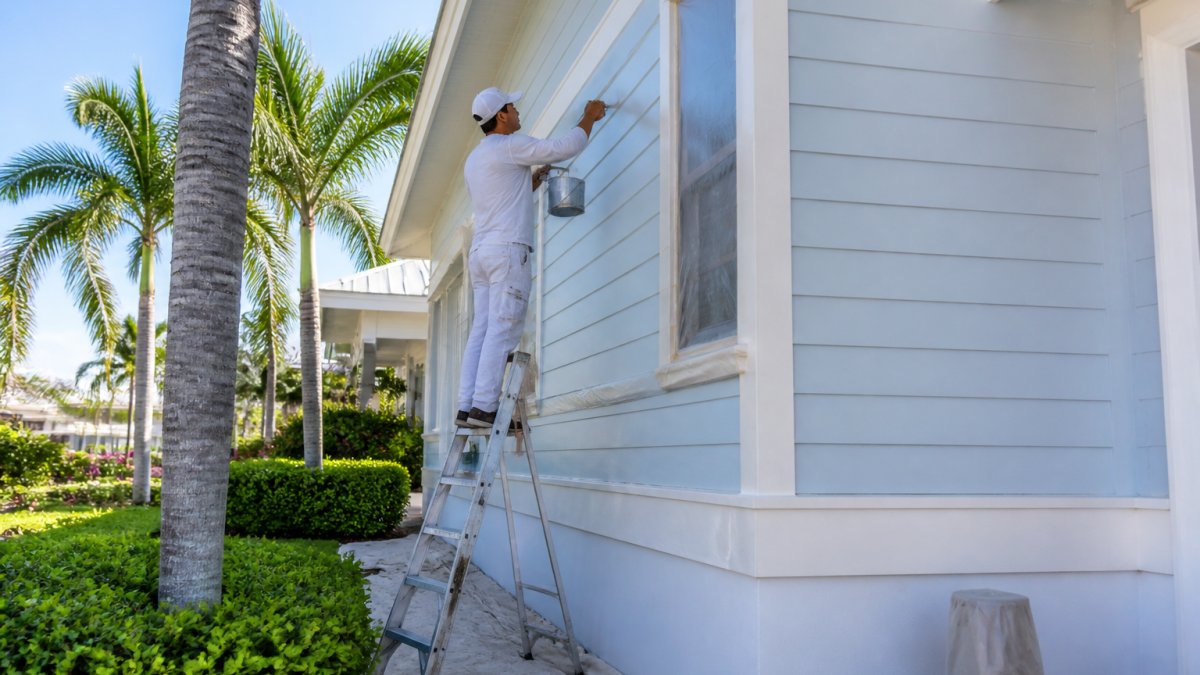
- Exterior: stucco patching, power washing, caulking, trim, doors
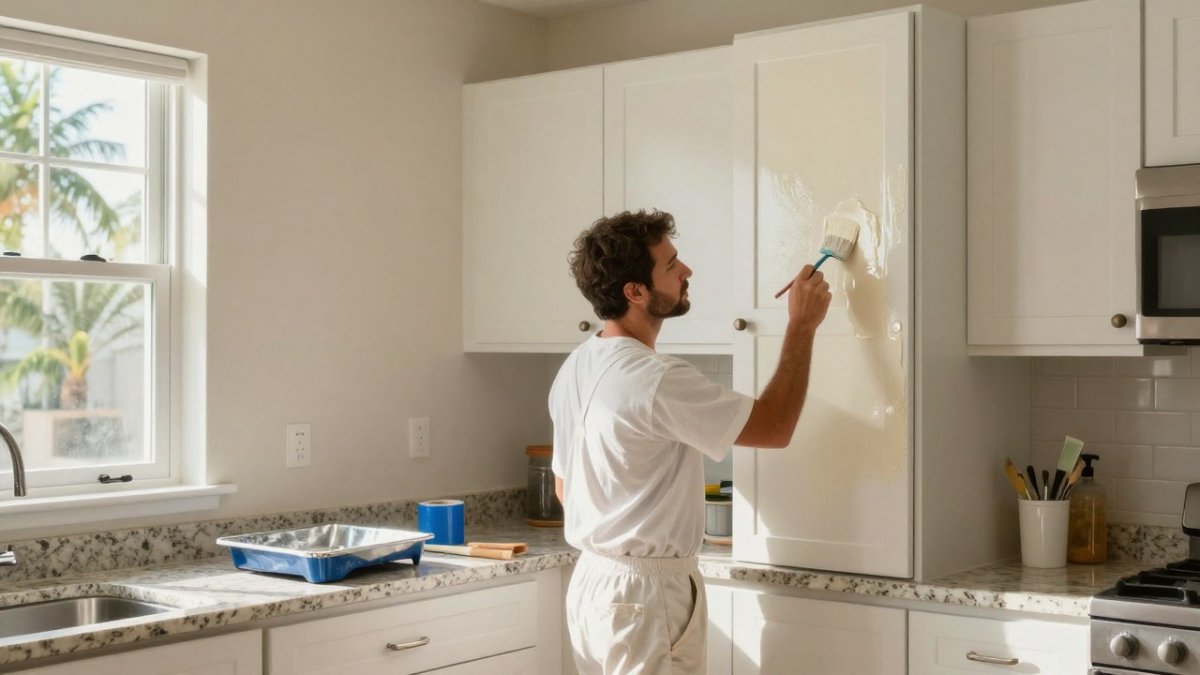
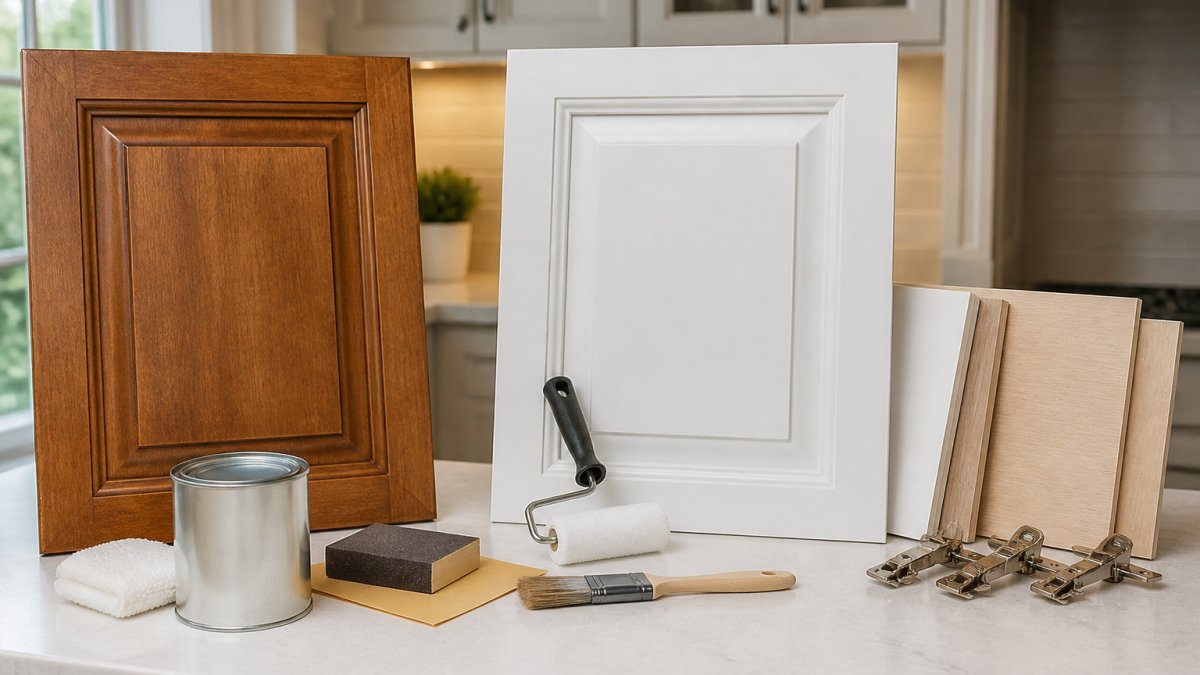
- Add-ons: cabinet painting, epoxy garage floors, popcorn ceiling removal
Ask any painting contractor whether these fall under one agreement or get subcontracted. The answer tells you how much control they have over quality.
House Painting Cost in Florida: What Drives the Number
House painting cost in Florida depends on square footage, surface condition, prep hours, paint grade, and access. Two homes of equal size can price far apart because one needs stucco repair and the other only needs a wash and two coats. Rather than publish a single blanket rate, a professional painter should be able to explain exactly which variables move your number up or down, and put them in writing.
The Five Cost Drivers That Actually Move the Number
- Square footage of paintable surface. Painters measure wall area, not floor area. A 2,000-square-foot home can have 3,000 to 4,500 square feet of wall and ceiling surface depending on ceiling height, room count, and trim density.
- Surface condition and prep hours. Prep is the largest swing item. A washed, sound stucco wall may need two to four prep hours; a chalky, cracked, mildew-stained wall can need ten or more. Prep is billed in labor hours, not gallons.
- Number of coats and primer. Two finish coats over a properly primed surface is the standard for exterior work. A bid that lists one coat is not the same job as a bid that lists two.
What a Realistic Estimate Should Include
A written estimate should separate labor from materials and name every surface being coated. Ask for these line items so you can compare bids apples to apples:
| Line Item | What It Should Say | Red Flag |
|---|---|---|
| Preparation | Wash, scrape, patch, caulk, sand | Missing entirely |
| Primer | Product name and surfaces | "Spot prime only" on bare stucco |
| Paint | Brand, product line, sheen | "Premium paint" with no name |
| Labor | Crew size and day estimate | Lump sum with no scope |
| Warranty | Workmanship term in writing | Verbal only |
Why Two Quotes for the Same House Differ
Quotes diverge on four line items: preparation hours, primer, paint product, and warranty terms. A lower bid often trims prep, skips primer on bare stucco, or shortens the workmanship guarantee. When you compare, convert every bid to the same scope, same surfaces, same number of coats, same product tier, before you look at the total.
Painting Contractor Estimates: Reading the Line Items
A painting contractor estimate should separate labor from materials and name every surface being coated. If you cannot tell what is being painted, you cannot compare bids.
Look for these lines:
| Line Item | What It Should Say | Red Flag |
|---|---|---|
| Preparation | Wash, scrape, patch, caulk, sand | Missing entirely |
| Primer | Product name and surfaces | "Spot prime only" on bare stucco |
| Paint | Brand, product line, sheen | "Premium paint" with no name |
| Labor | Crew size and day estimate | Lump sum with no scope |
| Warranty | Workmanship term in writing | Verbal only |
Ask each painter to quote the same scope so the numbers mean something. Then compare line by line, not totals.
How to Hire a House Painter Without Getting Burned
How to hire a house painter comes down to verification, not charm. Check the license, confirm insurance, get the warranty in writing, and read reviews for how the company handled problems, not just how the finished job looked.
Licensing, Insurance, and Written Guarantees
Florida regulates contractors at the state level, and the Florida Department of Business and Professional Regulation lets you look up a license and its status before you sign. Ask for a certificate of insurance naming general liability and workers' compensation, and call the insurer to confirm it is current.
- Verify the license number on the state database
- Confirm general liability coverage
- Confirm workers' compensation coverage
House Painting Preparation: The Step That Decides How Long It Lasts
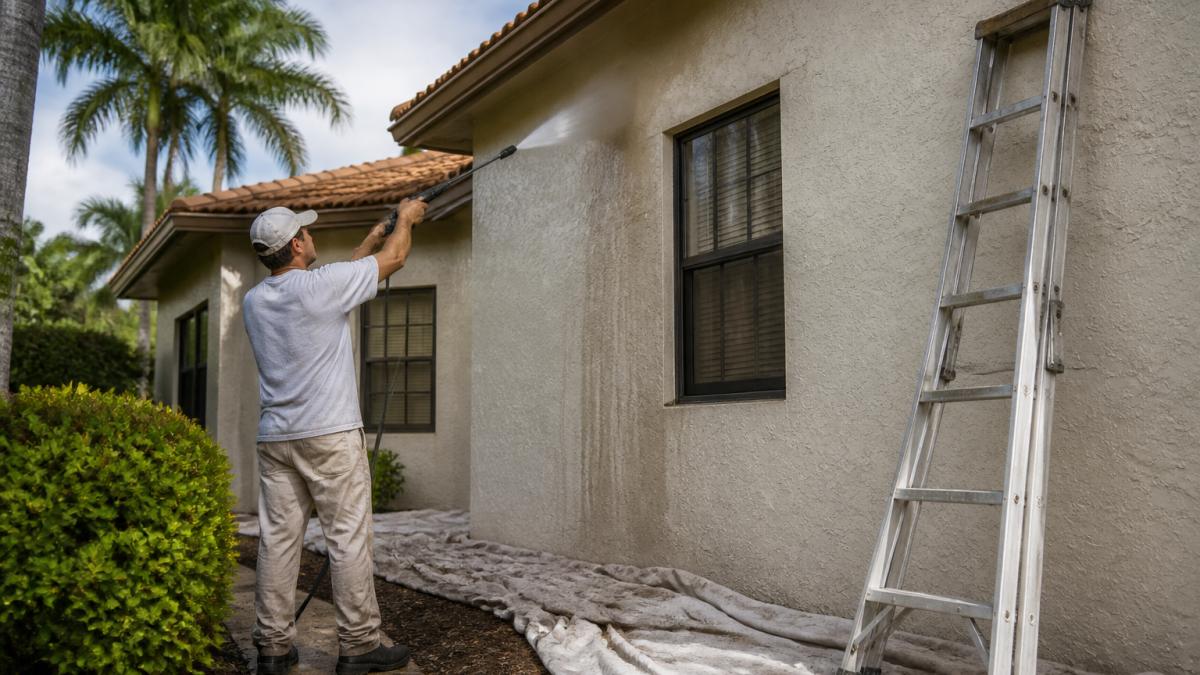
House painting preparation is the work that determines how long a finish lasts. Washing, scraping, patching, caulking, and priming come before a brush touches the wall, and skipping them is why paint peels.
Why Preparation Matters More Here Than in Drier Climates
The U.S. Department of Energy guide to exterior painting notes that moisture and surface condition drive how long a coating lasts, not the brand on the can. Three climate factors make prep decisive:
- Humidity and dew. Trapped moisture behind a coating causes blistering and peeling. Surfaces must be fully dry before primer and paint go on, which is why scheduling matters.
- Salt air and coastal exposure. Salt residue on stucco and trim prevents adhesion. A thorough wash and rinse is not optional on coastal homes.
- Heat and sun. Direct sun can make surfaces too hot for proper curing. Painters often work shaded elevations first and follow the sun around the house.
The Prep Sequence a Professional Should Follow
- Wash. Pressure wash or hand-wash exterior surfaces to remove dirt, chalk, mildew, and salt residue. Interior walls get dusted and deglossed.
- Scrape and sand. Loose paint is removed; edges are feathered so patches do not telegraph through the new coat.
- Patch and caulk. Stucco cracks are patched, feathered, and texture-matched. Trim joints and gaps are caulked with a paintable exterior sealant.
- Prime. Bare stucco, patched areas, and bare wood get a full primer coat matched to the substrate. Interior patches get primer so sheen stays even.
- Dry and inspect. Surfaces dry fully, and the crew walks the job before finish coats go on.
Coating Selection for the Climate
Prep and product work together. For exteriors, a 100% acrylic coating with mildew resistance is the common choice for stucco and trim in humid climates; for interiors, washability and sheen matter most in kitchens, bathrooms, and high-traffic halls. Ask the painter to name the product line and sheen for each surface, a bid that says only "premium paint" gives you nothing to compare.
Scheduling and Homeowner Preparation
Expect the prep stage to take as long as the painting itself on a weathered exterior. That is normal, and it is the part worth paying for. Before the crew arrives, clear furniture and wall hangings from work areas, remove valuables, and confirm access to water and power. A professional crew protects floors and furniture, cleans up daily, and gives you a completion timeline in the written scope.
Provider Reviews: How Five Florida Painting Options Compare
Comparing painters means matching the company to your project, not chasing the lowest number. Here is how five Florida options stack up on services, coverage, and transparency.
Florence Painting Aloha: Jupiter-Area Residential Specialist
Florence Painting Aloha handles interior and exterior residential painting around Jupiter, with cabinet painting, epoxy garage floors, and stucco patch, match, and paint under one roof. Power washing and surface preparation are included, and the process runs from consultation to delivery with a satisfaction guarantee: if you are not completely satisfied, we fix it. Pricing is quote-based after a walkthrough, so the number reflects your house rather than a phone estimate.

Premium Painting, A Painter's Touch, and Go With The Best Painters
Premium Painting serves residential and commercial customers around Ocala and offers online scheduling. A Painter's Touch, LLC covers interior and exterior painting plus pressure washing for Orlando-area properties. Go With The Best Painters focuses on interior, exterior, and cabinet painting in Tampa and reports 20 years of experience. All three are quote-based, so ask for a written scope before comparing.

Marketplace Option: Airtasker House Painting
Airtasker is a marketplace for requesting quotes from house painters across Florida. It suits homeowners who want to compare several bids quickly. The catch is variance: marketplace painters set their own standards, so vetting licensing and insurance falls on you.
Which House Painter Florida Homeowners Should Call First
Start with the painter who can show you a license, an insurance certificate, and a written warranty before you ask about color. For Jupiter-area homeowners, that call goes to Florence Painting Aloha: we include thorough power washing and surface preparation, handle stucco patch, match, and paint, and back the work with a satisfaction guarantee. Pricing is transparent and quote-based after a consultation.
Frequently Asked Questions
How much does it typically cost to paint a 2,000-square-foot house in Florida?
There is no single number that applies across the state. House painting cost depends on square footage of paintable surface (not floor area), how many coats are needed, whether the exterior is stucco or siding, ceiling height, and how much prep the walls require. A home with cracked stucco and heavy caulking work will price higher than one in good condition. Ask each painter to break the bid into labor, materials, and prep so you can compare like for like, and get at least three written estimates before deciding.
What should I look for when hiring a house painter in Florida?
Start with proof of state registration or licensure where required, a current certificate of insurance for general liability and workers' compensation, and a written contract that names the paint products and number of coats. Ask how long the company has worked in your county, request references from jobs completed at least a year ago, and confirm who will actually be on site. A clear written guarantee on workmanship matters more than a low bid, because it tells you who pays if a coating fails early.
What should a house painting estimate include?
A complete painting contractor estimate lists the surfaces to be painted, the specific products and sheens, the number of coats, and the preparation steps: pressure washing, scraping, caulking, patching, and priming bare spots. It should state whether furniture moving, masking, and cleanup are included, how change orders are priced, and the payment schedule. If a bid is a single lump sum with no product names or prep details, you cannot compare it to another quote or hold anyone to a standard.
How long does it take to paint a house?
Interior work on a typical home often runs several days to a couple of weeks depending on room count and drying time between coats. Exteriors take longer because prep, washing, and patching must dry before paint goes on, and Florida humidity and afternoon storms can push the schedule. Cabinet painting and popcorn ceiling removal add days of their own. Ask for a written start date and a completion estimate, and confirm how weather delays are handled before you sign.
Should I hire a painter for interior or exterior painting first?
Exterior work usually comes first when stucco cracks or peeling paint are letting moisture in, since water intrusion damages the structure behind the wall. Interior painting can follow once the envelope is sealed. If both are needed, bundling them into one contract often reduces mobilization costs and keeps one crew accountable for the whole job. Ask the painter whether they handle interior and exterior under one agreement, and get the sequencing in writing.
The hardest part of any painting project is trusting the crew that shows up. Florence Painting Aloha earns that trust with a transparent process from consultation to delivery, thorough preparation included in every bid, and a satisfaction guarantee that commits us to fixing anything short of complete. Get started with Florence Painting Aloha and schedule a bid for a written, itemized scope on your home.